
Specialist Speech and Language Therapy That Sees the Whole Person
Because meaningful progress starts with understanding
Every individual has their own strengths, experiences and way of communicating. I take time to understand what is working well, what may be making communication difficult and what matters most to you and your child or young person. Together, we develop practical, personalised support that builds confidence, reduces barriers and helps communication and participation grow in everyday life.
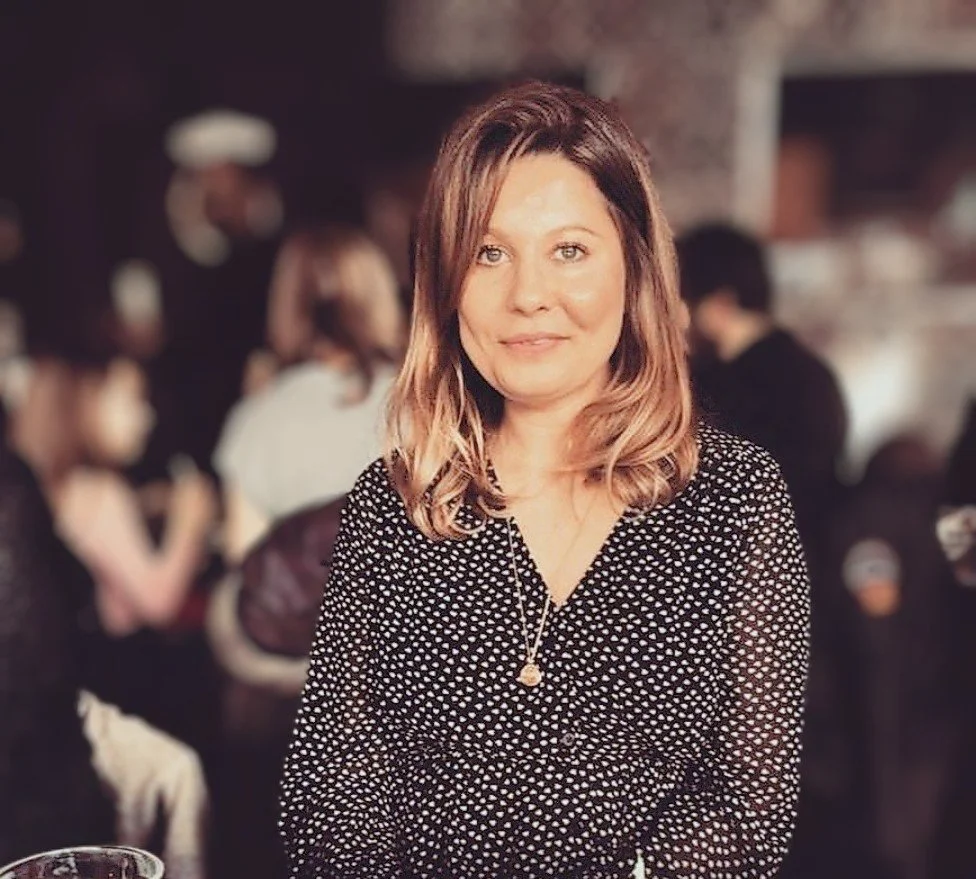
Hi, I’m Joanna
Specialist Speech and Language Therapist
With over 20 years of experience working with children and families, I assess and support children and young people across a wide range of speech, language, and communication needs.
My career began in Early Years, giving me a deep foundation in early child development and the power of enabling environments. Today, I combine that early childhood expertise with specialist clinical practice, holding both a BA (Hons) in Early Years and Education and a BSc (Hons) in Speech and Language Therapy.
What I Support
I provide assessment, intervention, and tailored support for children and young people across a wide range of speech, language, and communication needs, including:
Early Language & Communication Development (late talking, early interaction skills, and play development)
Speech Sound Delay & Disorder (clarity of speech, articulation, and phonology)
Stammering & Fluency
Developmental Language Disorder (DLD) & Language Delays (understanding, vocabulary, and sentence building)
Selective Mutism (Specialist Expertise: assessment, therapy, school support, and training)
Autism & ADHD (neurodiversity-affirming, strengths-based communication support)
How and Where I Work
Local Settings: I work across home, education, and community settings throughout Hertfordshire and surrounding areas.
Uk Online: I offer online assessment, therapy, training, and supervision across the UK.
Flexible Frameworks: I have extensive experience supporting children accessing EOTAS (Education Otherwise Than At School), collaborating closely with Local Authorities, families, and multidisciplinary teams.
Practical, Joined-Up Care
Having worked extensively within mainstream schools, specialist provisions, and SEMH settings, I understand the realities of busy educational environments. My recommendations are always practical, achievable, and designed to fit naturally into everyday life.
Alongside clinical work, I also provide specialist supervision and evidence-informed training in Selective Mutism for Speech and Language Therapists, educators, and healthcare professionals.
Professional Memberships
My Experience
-
![Logo for Riverbanks Nursery in Harpenden with three children playing near a tree and a stream.]()
Riverbanks Nursery - Nursery Practitioner
-
![White block letters spelling 'UH' on a blurred multicolor background.]()
University of Hertfordshire - Early Years and Education
-
![Logo of City of St George's, University of London with a red background, white crest, and text.]()
City St George's, University of London - Speech and Language Therapy
-
![Logo for Magic Words Speech and Language Therapy with yellow stars and blue circular border.]()
Magic Words - Specialist Speech and Language Therapist


My Approach:
Communication Starts with Understanding
Looking beyond behaviour to support the whole person

My practice is neurodiversity-affirming, evidence-based, and deeply individualised.
I believe communication develops best when children and young people feel safe, accepted, and supported to be their authentic selves. My goal isn't to "fix" or change the individual, but to understand what is making communication difficult and provide tools that enable them to express themselves in ways that work for them.
How I Work
Rooted in Child Development: Drawing on my background in Early Years and Speech and Language Therapy, I provide engaging, meaningful interventions tailored to each person's unique strengths, interests, and profile.
Behaviour is Communication: Rather than making assumptions, I approach every individual with curiosity—exploring the sensory, emotional, and environmental factors influencing their communication.
Removing Barriers: By understanding these underlying factors, we can reduce anxiety, build on strengths, and create supportive environments where communication can naturally flourish.
Collaborative & Practical: I work closely with families, schools, and multidisciplinary teams to embed practical strategies into everyday life. This ensures support extends far beyond the therapy session for meaningful, lasting progress.
Areas of Support
-
Speech sound difficulties can affect how clearly a person is understood by others. Some individuals follow a delayed pattern of speech development, while others present with a speech sound disorder that requires more targeted support. Difficulties may include producing certain speech sounds, using speech sound patterns that are no longer age-appropriate, or finding it difficult to coordinate the movements needed for clear speech.
I provide comprehensive assessment and evidence-based intervention for people with a range of speech sound needs, including speech sound delay, phonological disorder and articulation difficulties. Therapy is tailored to each individual's strengths, needs and goals, with practical strategies and support provided to help maximise communication in everyday life.
-
Language develops at different rates, and every child follows their own unique developmental journey. Some children need a little extra support as their language develops, while others experience more persistent language difficulties, such as Developmental Language Disorder (DLD).
I assess and support children and young people who experience difficulties understanding and using language. These difficulties can affect learning, friendships, emotional wellbeing and participation in everyday life.
Support is always tailored to the individual's strengths, needs and goals, helping to develop the skills and confidence needed for successful communication at home, in education and within the community.
Support may include:
Early language development and language delay
Developmental Language Disorder (DLD)
Understanding spoken language
Expressive language and sentence development
Vocabulary development
Narrative and storytelling skills
Following instructions and classroom language
Word finding and organising ideas
Inference, reasoning and higher-level language skills
Functional communication for everyday life
I work closely with families, education settings and other professionals to provide practical, individualised strategies that support communication throughout everyday routines and learning opportunities.
-
Every autistic person and every person with ADHD is unique. I provide neurodiversity-affirming Speech and Language Therapy that recognises individual strengths while supporting communication, participation and wellbeing.
Communication differences may include understanding and using language, social communication, emotional regulation, executive functioning, self-advocacy, perspective-taking and navigating relationships. These differences can affect participation across home, education and community settings.
Therapy is tailored to each person's individual profile, interests and goals. I work collaboratively with families, education settings and other professionals to develop practical strategies that reduce barriers, build confidence and support meaningful participation in everyday life.
Support may include:
Understanding and using spoken language
Developing vocabulary and expressive language
Social communication and interaction
Conversation skills and perspective-taking
Emotional literacy and emotional regulation
Executive functioning and organisation for communication
Self-advocacy and developing communication confidence
Supporting successful participation across home, education and community environments
-
Selective Mutism is an anxiety-based communication difference that affects a person's ability to speak in certain situations. People with Selective Mutism are able to speak comfortably in some environments but find it extremely difficult or impossible to speak in others. It is not a choice, a refusal to speak or a behavioural difficulty.
I have specialist expertise in Selective Mutism and support children, teenagers and adults, alongside their families, schools and other professionals involved in their care.
My approach is neurodiversity-affirming, evidence-based and individualised. Rather than focusing solely on speech, I work to understand the factors affecting communication, reduce pressure, build confidence and create environments where communication can develop naturally.
Support is tailored to each individual and may include assessment, therapy, parent consultation, school consultation, staff training, coaching, multidisciplinary working and support for other professionals where appropriate.
-
Stammering is a difference in the flow of speech and may involve repetitions, prolongations or blocks. Stammering can vary over time and may be influenced by a range of factors, including communication demands, the environment and individual experiences.
I provide assessment and therapy for children, teenagers and adults who stammer. My approach is individualised, evidence-based and collaborative, recognising that every person's experience of stammering is unique.
Therapy focuses on developing confidence, reducing communication pressure and supporting positive communication experiences. Together, we explore strategies that help individuals communicate in ways that feel comfortable and authentic, while working with families, schools, workplaces and other professionals where appropriate to create supportive communication environments.

Free 15-Minute Initial Telephone Consultation
I offer a free 15-minute telephone consultation to gain an understanding of the communication needs involved, and explore how Speech and Language Therapy may be able to help.